
- Introduction: The Digital Battlefield for Small Businesses
- What Is SEO? A Simple Explanation
- Why SEO Matters for Small Businesses in the UK
- How SEO Works for UK-Based Small Businesses
- Common SEO Myths Small Businesses Should Ignore
- What’s the Cost of Ignoring SEO?
- How to Get Started with SEO (Even on a Small Budget)
- Final Thoughts: SEO Is a Growth Engine You Can’t Ignore
Introduction: The Digital Battlefield for Small Businesses
The UK’s small business landscape is evolving rapidly. With over 5.5 million SMEs in the UK competing for online visibility, the real battleground is no longer just the high street — it’s Google’s first page. If your business isn’t showing up in local search results, your competitors are taking your leads.
This is where Search Engine Optimization (SEO) comes in. But what exactly is SEO, and why should every small business in the UK — whether you’re a bakery in Birmingham or a plumber in Portsmouth — prioritize it?
What Is SEO? A Simple Explanation
The process of making your website better so that it appears higher on search engines like Google when people look for the services or goods you sell is known as SEO (Search Engine Optimization).
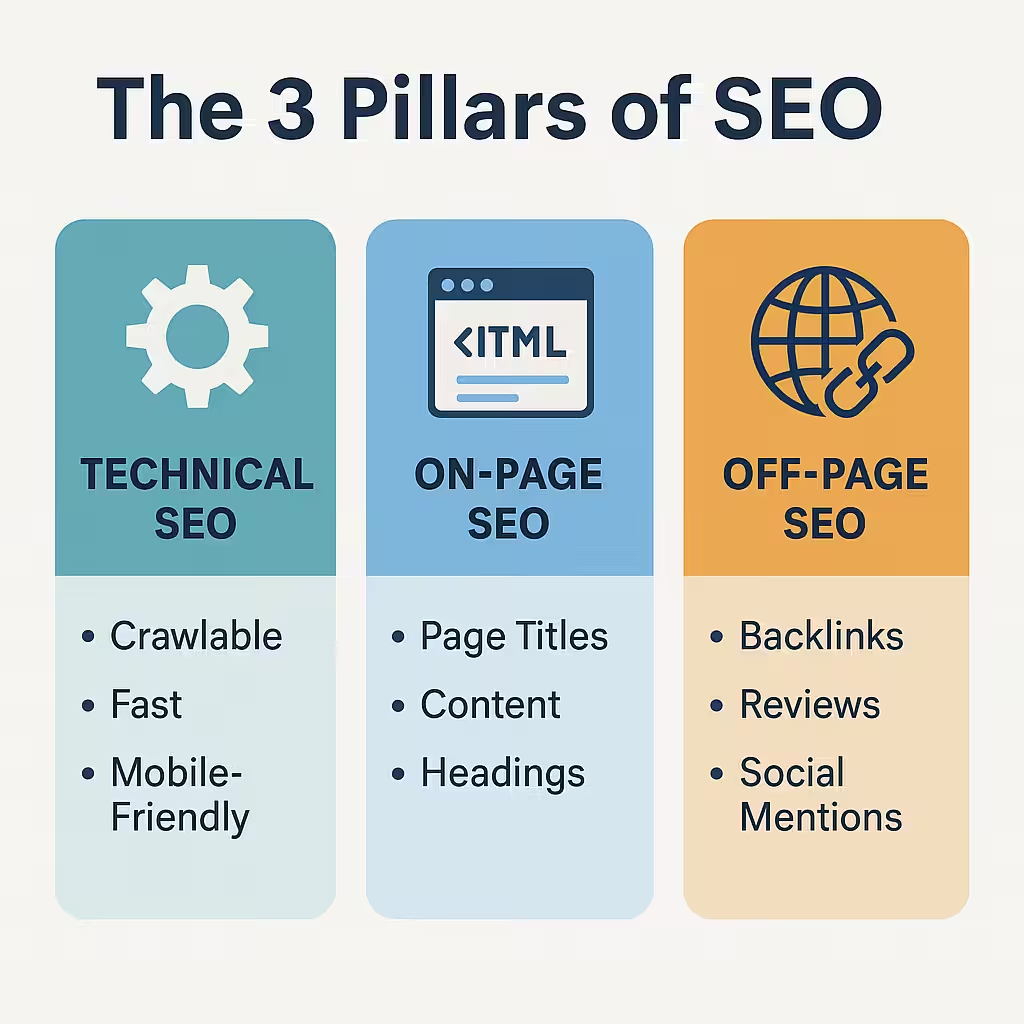
Fundamentally, SEO concentrates on three main areas:
- Technical SEO – Ensuring that your website is safe, quick, mobile-friendly, and crawlable.
- On-Page SEO – Optimizing your page titles, content, headings, images, and internal links.
- Off-Page SEO – Establishing trust via social media mentions, reviews, and backlinks.
For instance, SEO is what makes your café show up in the top results when a Manchester resident searches for “best coffee shop near me” — without having to pay for advertisements.
Why SEO Matters for Small Businesses in the UK
Most Customers Begin Their Search Online
- Before making a purchase, 81% of UK consumers conduct online research.
- Local searches with high intent, such as “best accountant near me” or “web design in Leeds,” indicate that the user is prepared to make a purchase or get in touch.
When that audience needs your services, SEO puts your company in front of them.
SEO Levels the Playing Field
To outrank major brands locally, you don’t need a six-figure marketing budget. Even a one-person company can outperform national chains for location-based keywords with clever local SEO tactics.
Long-Term, Cost-Effective Growth
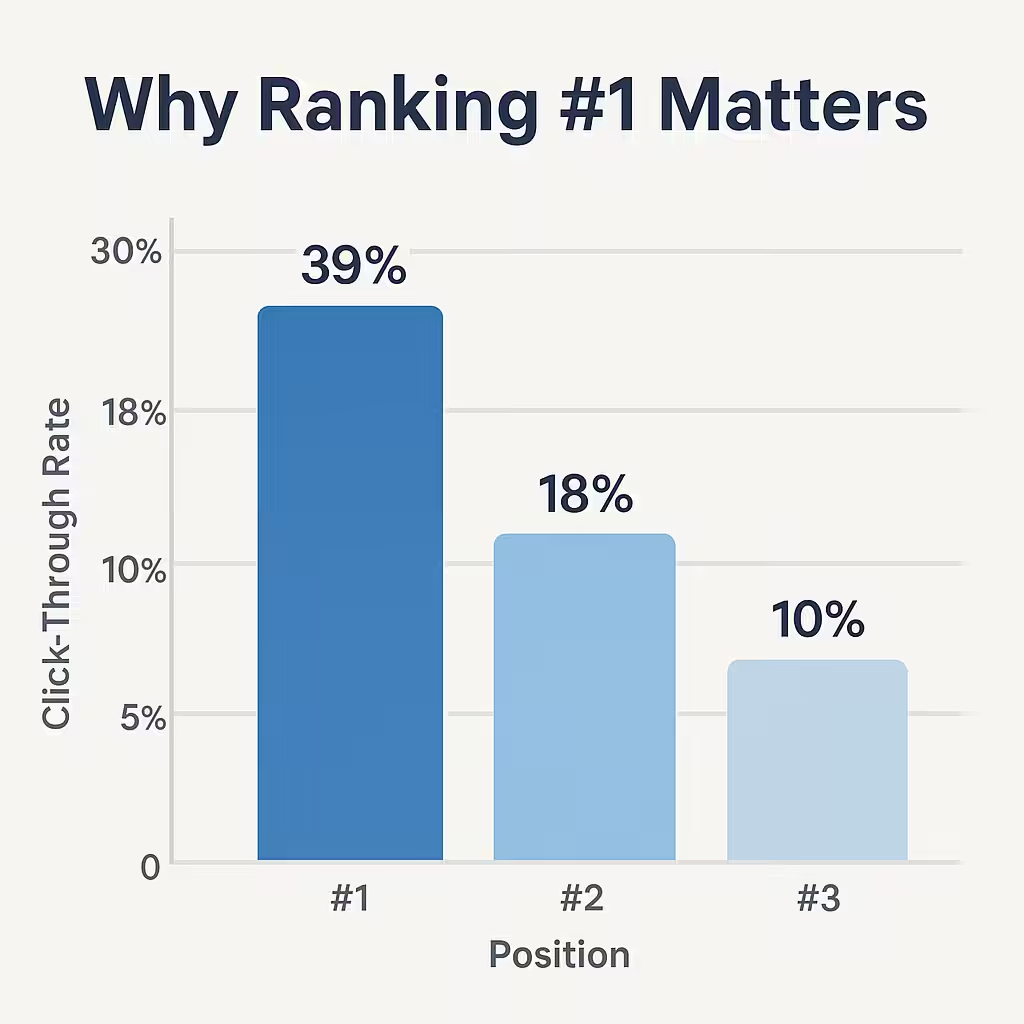
SEO creates compounding value, in contrast to Pay-Per-Click (PPC) advertisements, which cease to work as soon as your budget runs out. Months or even years later, a well-optimized landing page or blog post can still be producing leads. The Significance of SEO for UK Small Businesses.
Practical SEO Tips for Better Local Rankings
Add location-based keywords to your homepage and key pages. Start a blog targeting local and service-related queries. Partner with a trusted SEO agency that understands UK small businesses — for example, if you’re based in Scotland, working with an experienced SEO agency in Glasgow can provide the local expertise and tailored strategies needed to rank in regional searches
How SEO Works for UK-Based Small Businesses
Local SEO Tactics That Drive Real Results
Local SEO is essential for UK companies that cater to a particular region. This is how it operates:
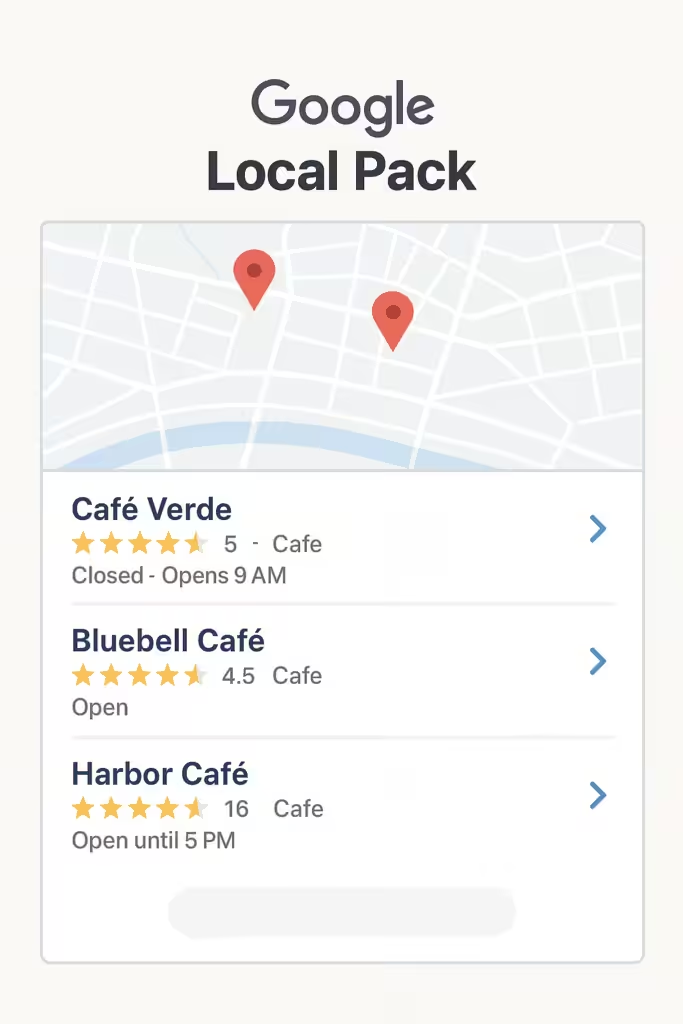
- Optimization of Google Business Profiles (maps visibility)
- Name, Address, and Phone (NAP) Consistency Across Directories
- Local References (e.g., Yell, Checkatrade, Trustpilot)
- Local keywords, like “emergency plumber in Glasgow,”
Content Marketing & Blogging
Small businesses can benefit from SEO-friendly blog content:
- Bring in new visitors to your website
- Respond to frequently asked consumer questions.
- Gain credibility in your field.
- Focus on low-competition, long-tail keywords.
For instance, a Sheffield dog groomer may rank for blogs such as
- “How frequently should my dog be groomed?”
- “UK’s best shampoos for sensitive dog skin”
Common SEO Myths Small Businesses Should Ignore
| Myth | Reality |
|---|---|
| SEO is just keywords | It includes technical, content, and authority elements |
| SEO works instantly | Results typically take 3–6 months |
| Only big companies benefit | Local businesses often see faster results |
| It’s too expensive | A basic, consistent strategy brings solid ROI |
What’s the Cost of Ignoring SEO?
- Your competitors dominate Google
- Your PPC costs increase (due to a lack of organic presence)
- Missed leads from high-intent searches
- You become invisible to your ideal customers
In today’s climate, not doing SEO is a bigger risk than doing it wrong.
How to Get Started with SEO (Even on a Small Budget)
- Claim and optimize your Google Business Profile
- Ensure your website is mobile-friendly
- Add location-based keywords to your homepage and key pages
- Start a blog targeting local and service-related queries
- Partner with a trusted SEO agency that understands UK small businesses
Final Thoughts: SEO Is a Growth Engine You Can’t Ignore
Whether you’re a startup in London or a tradesman in Liverpool, SEO is not a luxury — it’s a necessity. It’s how your audience finds you, how you build trust, and how you grow sustainably in an increasingly digital economy.

Ready to Transform Your B2B Marketing Strategy?
Get a comprehensive SEO audit and discover how to drive more qualified leads to your business.
Get a Free SEO Audit

